Infant + Caregiver Wellbeing
12.5%
postpartum depression
About 12.5%—roughly 1 in 8—of women with a recent live birth report symptoms of postpartum depression.
Source: CDC — Depression During and After Pregnancy ↗Children are growing up in a world profoundly different from the one in which childhood evolved.
The moment
Modern childhood contains extraordinary progress. Vaccines, sanitation, safer sleep, medical therapies, improved recognition of mental health, and access to information have transformed young lives. At the same time, children face chronic disease, mental health challenges, environmental stressors, health inequities and increasingly digital lives.
Extraordinary progress
Modern pediatrics can prevent, diagnose and treat conditions that once caused substantial childhood illness and death. Advances in neonatal care, surgery, chronic-disease management, medications and medical technology have changed what it means for many children to live with serious disease.
Child survival has improved enormously over the last century. Improvements in sanitation, nutrition, vaccination, injury prevention, medical care and public health have transformed the risks children face early in life.
Diseases that once routinely sickened or killed children have become uncommon because of vaccination and other public-health measures. CDC estimates that routine vaccination of children born from 1994–2023 will prevent about 508 million illnesses, 32 million hospitalizations and more than 1.1 million deaths over their lifetimes.
Child and adolescent mental health is discussed, screened for and treated more openly than in previous generations. Stigma remains an important barrier, but mental health is increasingly recognized as an essential part of children's overall health rather than something separate from it.
Children and families now have unprecedented access to information, education and connection. Digital technology can support learning, creativity and access to communities—while also creating new questions about attention, misinformation, privacy and healthy use.
We know far more about the importance of movement, nutrition and healthy development than previous generations did. Current U.S. guidance recommends that children and adolescents ages 6–17 get at least 60 minutes of moderate-to-vigorous physical activity each day.
Safe-sleep recommendations changed infant care. Sudden unexpected infant death rates fell sharply during the 1990s following the American Academy of Pediatrics' sleep recommendations and the national Back to Sleep campaign, although preventable sleep-related deaths remain a concern.
Public-health regulation has dramatically reduced children's exposure to some environmental hazards. For example, the median blood-lead level among U.S. children ages 1–5 fell 96% between 1976–1980 and 2017–2020. Important exposure disparities and hazards still remain.
Emerging challenges
The disease burden of childhood has shifted toward chronic conditions that often require management over years. In August 2021–August 2023, 21.1% of U.S. children and adolescents ages 2–19 had obesity, including 7.0% with severe obesity.
Mental-health distress is common among adolescents. In CDC's 2023 Youth Risk Behavior Survey, 40% of U.S. high-school students reported persistent feelings of sadness or hopelessness and 20% seriously considered attempting suicide.
Digital life now occupies an unprecedented part of adolescence. In a 2024 Pew survey, 96% of U.S. teens reported using the internet every day and nearly half said they were online almost constantly. Digital technology can provide real benefits, but its near-constant presence also changes how young people spend time, communicate and direct attention.
Outdoor play is not a routine part of every child's day. In the 2021 National Survey of Children's Health, 37% of U.S. children ages 3–5 were reported to play outdoors for one hour or less on weekdays. Outdoor settings can create opportunities for movement, exploration, social interaction and contact with nature—the experiences explored throughout this page.
Healthy eating is widely recommended, yet making it part of everyday life remains difficult for many families. Food access, cost, neighborhood conditions, preferences and the environments in which children live all shape what children actually eat.
Medical advances only help children when families can reach and afford them. Insurance coverage, geography, transportation, workforce shortages, cost and continuity of care can all affect whether children receive preventive and specialty services when they need them.
Children are especially vulnerable to environmental change because their bodies and brains are still developing and because they depend on adults and communities for protection. EPA identifies risks to children from extreme heat, air-quality changes, flooding, infectious disease and other climate-related exposures.
Connection to family, peers, schools and communities is an important part of child and adolescent health. CDC identifies social connection as protective and notes that connected young people are more likely to engage in positive health behaviors and less likely to experience several health risks.
We have solved some enormous problems of childhood.We have created new ones.And some ancient human needs may have been left behind.
Five Children – Every Child
Nature can be part of the ordinary environments in which children grow, play, learn, connect and develop. Its value does not begin with a diagnosis.
But for some children, nature can also be more than that.
When a child is living with illness, disability, developmental differences or other health challenges, nature-based experiences may also be used intentionally to support specific health, functional or developmental goals — becoming not only part of a healthy childhood, but part of care itself.
These are composite patients, not individual children. But the stories are intentionally ordinary. They resemble patients seen every day in pediatric care.
4 months old
INFANCY + CAREGIVER WELLBEING
The baby is growing normally and developing appropriately. But the child's mother screens positive for postpartum depression and is worried about the cost of food.
How may nature help?
≈ 1 in 8
women with a recent live birth report symptoms of postpartum depression.
Source: CDC — Depression During and After Pregnancy ↗≈ 2 million
children under age 3 years lived in food-insecure households in 2023—about 17.1%, or more than 1 in 6 young children.
Source: Center on Budget and Policy Priorities — Food Insecurity Among Young Children ↗Nature may support the child by supporting the child's relationships.
Take a stroller walk under trees
Spend time outside together
Explore gentle sensory experiences
Support caregiver movement
Create opportunities for social connection
Give parent and child space to attend to one another
3 years old
AUTISM + SENSORY DEVELOPMENT
He is well connected to developmental services and doing well, but spends the visit bouncing around the room and snacking on pretzels. His BMI is at the 99th percentile.
How may nature help?
≈ 1 in 31
8-year-old children in 16 CDC ADDM Network communities were identified with autism in 2022.
Source: CDC — Autism Data & Statistics ↗≈ 1 in 6 (17%)
children ages 3–17 were reported by parents to have been diagnosed with a developmental disability during 2009–2017, including ASD, ADHD, blindness, cerebral palsy and others.
Source: Zablotsky et al. — Developmental Disabilities Prevalence ↗Nature can create environments where different ways of moving, sensing and attending can become strengths.
Dig in the soil
Carry water
Watch insects
Follow a trail
Plant seeds
Explore through movement and the senses
Experience repetition and predictable natural processes
Engage in child-directed discovery
7 years old
CARDIOMETABOLIC HEALTH
His weight has continued to rise. His blood pressure is elevated. His family has heard the familiar advice about food and exercise, but changing daily life is difficult.
How may nature help?
21.1% today → 57% by age 35
21.1% of U.S. children and adolescents ages 2–19 had obesity in August 2021–August 2023. If 2017 obesity trends persist, a predictive model estimates that 57% of children ages 2–19 will have obesity by age 35 in 2050.
Source: CDC/NCHS — Childhood Obesity Estimates · AAP Clinical Practice Guideline · 2023 ↗77%
of children with BMI at or above the 95th percentile in the Bogalusa Heart Study had obesity as young adults.
Source: Freedman et al. — Bogalusa Heart Study · Pediatrics, 2001 ↗Nature can make healthy behavior a by-product of doing something enjoyable and meaningful.
Walk to a community garden
Grow tomatoes
Choose what to plant
Harvest food
Climb
Carry
Dig
Play without calling it exercise
9 years old
CHRONIC DISEASE
He lives with both asthma and type 1 diabetes. His days can involve an inhaler, a continuous glucose monitor, an insulin pump, medications, calculations and responding to symptoms. Much of life is organized around managing his health.
How may nature help?
~ 4.8 million with asthma~ 314,000 with type 1 diabetes
About 4.8 million U.S. children under 18 had current asthma in 2023, while about 314,000 children and adolescents under 20 have diagnosed type 1 diabetes.
Source: CDC — Asthma Data · National Diabetes Statistics Report ↗More than 40%
of U.S. school-aged children and adolescents have at least one chronic health condition.
Source: CDC — Managing Chronic Health Conditions ↗A child whose body constantly demands management can instead focus on tending to something else.
Move
Explore
Engage the senses
Take responsibility for something living
Care for a plant
Experience curiosity outside of disease management
17 years old
MENTAL HEALTH + TRANSITION TO ADULTHOOD
She is in high school and worried about college, adulthood and the future of the climate. She has had multiple emergency department visits after talking about suicide. She is anxious about her own future, the world her generation will inherit and where she belongs.
How may nature help?
20% considered · 9% attempted
Among U.S. high-school students in 2023, 20% seriously considered attempting suicide and 9% attempted suicide during the previous year.
Source: CDC — Youth Risk Behavior Survey · 2023 ↗≈ 1 in 5
U.S. adolescents ages 12–17 reported symptoms of anxiety in the past two weeks during 2021–2023.
Source: CDC/NCHS — National Health Interview Survey–Teen · 2021–2023 ↗Nature can create opportunities for connection, meaning, mastery, agency and contribution.
Plant something
Care for it
Return over time
Make mistakes
Develop competence
Experience mastery
Contribute to another person, garden or community
These stories are common
Children in America
72,021,348
children under age 18
3,628,934
live births · 2024
341,784,857
total U.S. population · 2025
More than a century of new generations
U.S. live births per year
1909–2024
What does that mean for children and families?
Infant + Caregiver Wellbeing
12.5%
postpartum depression
About 12.5%—roughly 1 in 8—of women with a recent live birth report symptoms of postpartum depression.
Source: CDC — Depression During and After Pregnancy ↗Autism + Development
17%
developmental disability
About 17% of U.S. children ages 3–17 have one or more developmental disabilities.
Source: CDC — Developmental Disabilities ↗Obesity + Cardiometabolic Health
36.2%
overweight or obesity
About 36.2% of U.S. children and adolescents ages 2–19 have overweight or obesity.
Source: CDC/NCHS — Childhood Weight Status ↗Chronic Disease
>40%
at least one chronic health condition
More than 40% of U.S. school-aged children and adolescents have at least one chronic health condition.
Source: CDC — Managing Chronic Health Conditions ↗Mental Health + Transition
39.7%
persistent sadness or hopelessness
In 2023, 39.7% of U.S. high-school students reported persistent feelings of sadness or hopelessness.
Source: CDC — Youth Risk Behavior Survey · 2023 ↗What do those percentages look like in people?
≈ 26 million
children + adolescents ages 2–19 with overweight or obesity
CDC/NCHS — Childhood Weight Status ↗> 20 million
school-aged children + adolescents with at least one chronic health condition
CDC — Managing Chronic Health Conditions ↗≈ 6–7 million
high-school students reporting persistent sadness or hopelessness
CDC — Youth Risk Behavior Survey · 2023 ↗Population-scale estimates translate prevalence percentages into approximate numbers of people using the population or enrollment group most closely corresponding to each source. They are intended to communicate scale and should not be interpreted as exact case counts.
Return to the five children
Before there was a diagnosis, a prevalence estimate or a health outcome, there was a child—a person growing inside a family, discovering the world and becoming more themselves every day.
Almost everything is still ahead.
There is so much left for him to discover.
His strengths are still unfolding.
He has a life to build, not simply a body to manage.
Her future has not been written yet.
In Children's Health, the Nation's Wealth, the National Research Council and Institute of Medicine described child health across three broad domains.
Source: National Research Council & Institute of Medicine — Children's Health, the Nation's Wealth (2004) ↗Three domains of child health
How a child lives each day
Nature may provide settings for movement, play, sensory experience, restoration, attention, social interaction and participation in meaningful everyday activities.
Disease, injury & other conditions
Nature may complement prevention, treatment and recovery by supporting experiences such as physical activity, restoration, stress reduction, social connection and engagement alongside appropriate medical care.
A child's capacity to grow & thrive
Nature may provide opportunities to explore, build skills, encounter manageable challenges, develop agency, form relationships, gain independence and contribute to something beyond oneself.
Health function day-to-day
There are different ways to think about that question. Here are two frameworks that help us look at everyday health and function from different perspectives.
Quality of life reflects more than physical health. The WHO framework considers six domains that shape how people experience their health, independence, relationships, environment and sense of meaning.
Physical capacity
Energy, fatigue, pain, sleep, mobility and ability to carry out everyday activities.
Psychological wellbeing
Emotions, thinking, learning, memory, concentration and self-esteem.
Level of independence
Mobility, daily activities and the ability to function with increasing independence.
WHOQOL
World HealthOrganization
Social relationships
Personal relationships, social support and connection with other people.
Environment
Safety, home environment, resources, recreation, learning opportunities and the physical world.
Personal beliefs
Spirituality, religion and personal beliefs that can shape meaning and quality of life.
WHOQOL
World Health Organization
Physical capacity
Psychological wellbeing
Level of independence
Social relationships
Environment
Personal beliefs
Six areas help describe a child's functional status. Each can range from normal function to very severe dysfunction.
Sleep, wakefulness, responsiveness and level of arousal.
Hearing, vision and responsiveness to touch or other stimuli.
Vocalization, facial expression, gestures and social responsiveness.
Body movement, muscle control and purposeful physical action.
Ability to eat by mouth and the level of support needed for feeding.
Ability to breathe independently and the level of respiratory support needed.
Function is not one thing.
A child's ability to experience and participate in everyday life depends on multiple interacting dimensions of function.
What could improve that child's day-to-day life?
Nature can become part of the setting in which everyday function happens.
Natural environments can create opportunities for movement, play, restoration, sensory experience, attention, social interaction and participation in meaningful activities. Which opportunities matter most will differ from child to child.
Health potential
Children do not develop in isolation. They grow through interactions with people, opportunities, communities and environments around them.
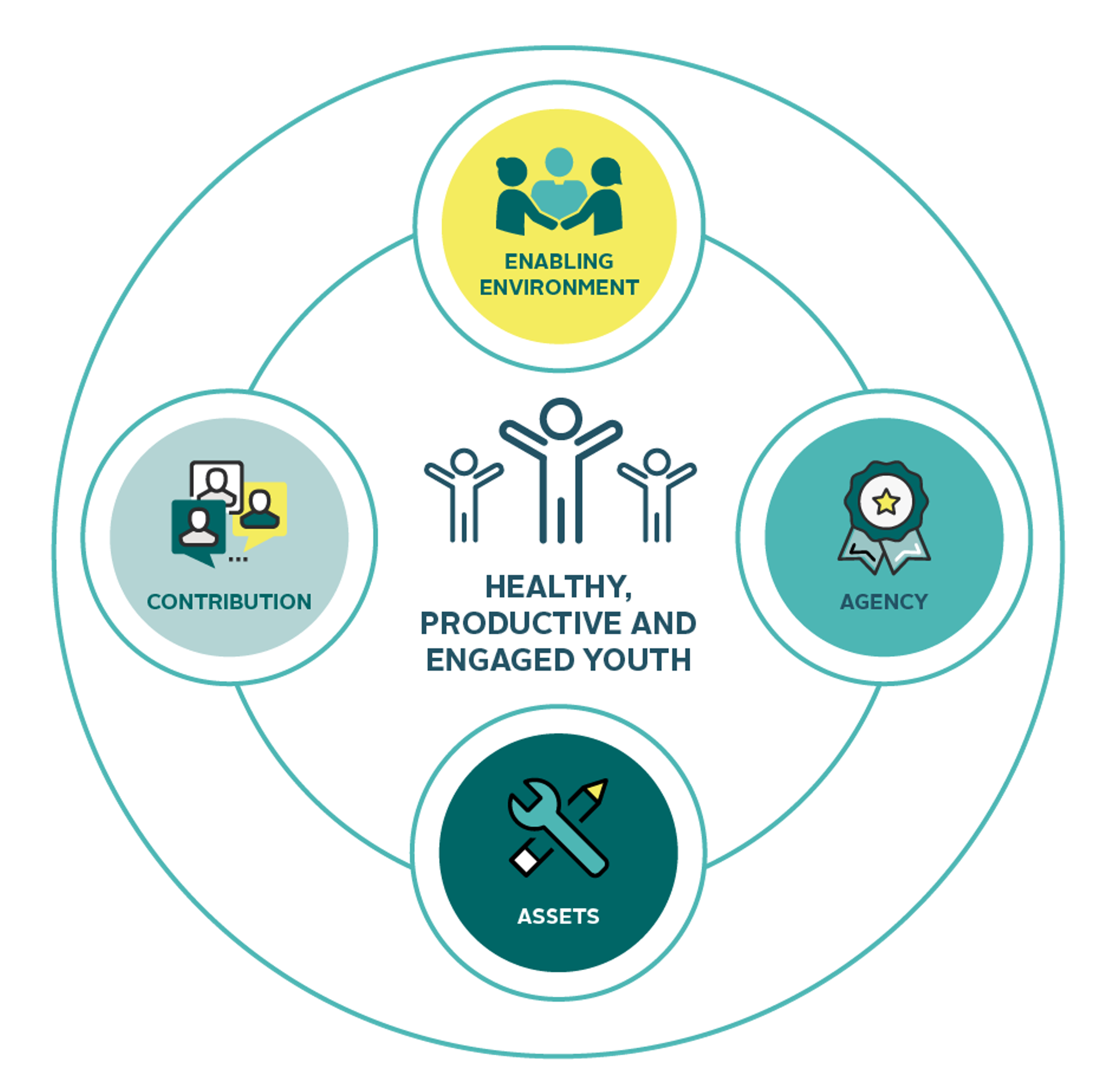
Positive Youth Development is a strengths-based framework for understanding how young people thrive. Rather than focusing only on problems or risks, it emphasizes the interaction of supportive environments, individual assets, agency and opportunities to contribute.
Wildhood by Barbara Natterson-Horowitz and Kathryn Bowers examines adolescence across humans and other animals. Drawing on comparative biology and animal behavior, the authors describe four fundamental challenges that young animals face on the path toward adulthood.
What could help that child grow toward their full potential?
Nature can be more than an exposure. It can be a developmental setting.
Natural settings can provide opportunities to explore, encounter manageable challenges, build skills, make choices, develop competence, form relationships, take responsibility and contribute to something beyond oneself.
Nature may be relevant not only to treating childhood illness,but to promoting childhood health.
Childhood is more than the prevention or treatment of disease.
It is the opportunity to grow, play, connect, discover, belong, contribute and become.
The opportunity
And nature should have a central place in childhood.
Not only as an intervention when something is wrong, but as part of the everyday environments in which children grow, play, learn, connect and become.
Long before modern science named concepts like biophilia or attention restoration, many Indigenous knowledge systems understood wellbeing as inseparable from relationships with land, community, culture and other living beings. These traditions are diverse, but they challenge the idea that nature is simply something outside us to which we are occasionally exposed.
Perhaps the question isn't only what nature does to us.
Perhaps it is what happens when a relationship fundamental to human development is diminished.
Nature is unlikely to act through a single mechanism. Its importance may lie in its ability to influence several interacting systems at the same time.
At the center
The developing child
These pathways overlap. Nature may shape a child's health through several interacting biological, psychological, relational, developmental and environmental processes at once.
The hypothesis that humans possess an evolved tendency to attend to and affiliate with life and living systems.
Edward O. Wilson was an American biologist and Harvard professor who popularized the modern concept of biophilia; Yale social ecologist Stephen Kellert helped develop it into the broader Biophilia Hypothesis.
Natural environments may support recovery from stress, including changes in emotional and physiological arousal.
Roger Ulrich is a researcher in environmental psychology and evidence-based healthcare design whose influential studies of responses to natural and built environments helped establish Stress Reduction Theory.
Nature may engage attention more gently—through “soft fascination”—allowing effortful directed attention opportunities to recover.
Rachel and Stephen Kaplan were environmental psychologists at the University of Michigan whose research on how people perceive and respond to environments led to Attention Restoration Theory.
Regulation, sensory experience, movement, relationships and patterned experiences can shape the conditions in which higher-order learning occurs. The Neurosequential Model is a developmental framework rather than direct evidence that nature itself produces these effects.
Bruce D. Perry is an American psychiatrist and neuroscientist whose clinical and research work with children affected by trauma and developmental adversity led him to develop the Neurosequential Model.
Movement and vestibular experiences have long influenced therapeutic and educational approaches, including Frank Belgau's work. Specific claims about the Belgau approach require careful interpretation because the independent evidence base is limited.
Frank Belgau was an educator who developed movement- and balance-based activities intended to support learning; his work became the basis of the Learning Breakthrough Program, although independent evidence for its specific claims remains limited.
Ultraviolet B (UVB) radiation from sunlight can trigger vitamin D synthesis in exposed skin. Vitamin D is important for calcium absorption and bone health, and deficiency can cause rickets in children. This is a sunlight pathway—not a benefit unique to nature: outdoor time in many settings can provide sunlight exposure. Sun exposure also carries skin-cancer risk, so vitamin D should not be used as a reason to encourage unprotected UV exposure; diet and supplementation are additional sources.
This is not a theory attributable to a single originator, but an established physiological pathway built from decades of research showing that ultraviolet B radiation can initiate vitamin D synthesis in human skin.
Contact with biodiverse environments may alter microbial exposure and immune regulation. A daycare biodiversity intervention found changes in children's microbiota and markers associated with immune regulation.
This pathway emerged from research across microbiology, immunology and evolutionary medicine, including the hygiene, old-friends and biodiversity hypotheses, rather than from a single originator.
Nature and horticulture can provide enabling environments in which young people build assets, exercise agency and make meaningful contributions.
Positive Youth Development emerged from developmental science and youth-development practice; developmental psychologist Richard M. Lerner and colleagues developed the influential Five Cs model of competence, confidence, connection, character and caring.
Natural settings can provide contexts for exploration, caregiver-child interaction, peer connection, belonging and place attachment. Evidence supports possible socioemotional benefits, but nature exposure should not be interpreted as directly producing secure attachment.
Modern attachment theory was founded by British psychiatrist John Bowlby and advanced empirically by developmental psychologist Mary Ainsworth, whose work examined how early caregiver relationships shape children's security and exploration.
Children develop through relationships and interactions within multiple environmental contexts over time. Health therefore exists not only within a child, but between children, families, communities and places.
Urie Bronfenbrenner was a developmental psychologist at Cornell University who developed ecological systems theory to explain how children's development unfolds through interactions with families, communities, institutions and the wider social environment.
Green space can influence environmental exposures including heat and noise, while vegetation and green infrastructure may also alter exposure to air pollution. Effects vary by setting, vegetation and design.
This is not a single-originator theory but a pathway synthesized across environmental health, epidemiology, urban ecology and public-health research examining how green environments can modify exposures such as heat, noise and air pollution.
Trees and plants release volatile compounds, including compounds often discussed as phytoncides, that are being investigated as possible biological pathways linking forest exposure and health. Much of this evidence is not pediatric, so this remains an emerging mechanism.
This is an emerging research area rather than a theory with one originator, drawing on forest medicine, plant chemistry and immunology to investigate whether volatile compounds released by plants may contribute to physiological responses to forest exposure.
Growing and caring for living things can create opportunities for responsibility, skill building, agency and contribution: I chose this. I learned this. I cared for this. I helped this grow.
This pathway draws especially on Positive Youth Development and related developmental theories; Richard M. Lerner and other developmental scientists have emphasized young people's strengths, agency and opportunities to contribute as features of healthy development.
Why horticulture?
Horticulture is unusual because it combines nature exposure with movement, sensory experience, responsibility, learning, relationship, agency, mastery, contribution and time.
Horticultural therapy
People can experience nature in many ways. Horticultural therapy occupies a particular place within that larger landscape: plants, gardens and horticultural activities are used intentionally toward human health, rehabilitation, vocational or developmental goals.
Horticultural therapy programs have historically been organized around three broad types of goals. The same medium—working with plants—can be directed toward very different human needs and outcomes.
What health or functional goal are we working toward?
Horticultural activities may be structured around specific treatment or rehabilitation goals.
What skills support work, independence and participation?
Horticulture can provide concrete tasks through which people practice skills relevant to employment and independent functioning.
How might horticulture support a healthier, more connected life?
Gardening and plant-based programs may also be organized around wellbeing, participation and healthy daily living.
This three-part framework draws on Haller's description of vocational, therapy, and social/wellness horticultural therapy programs and later professional models of therapeutic, vocational, and wellness practice.
An important distinction: these three domains describe ways horticulture can be directed toward human goals. Not every wellness-oriented gardening program meets AHTA's professional definition of horticultural therapy.
27
distinct nature-based health interventions
Identified through a Delphi expert-elicitation process
Nature-based care is not one thing
Nature-based interventions can involve changing environments, changing behavior, organized programs, therapeutic activities or combinations of these approaches. They can be used in prevention, health promotion, rehabilitation and treatment.
Explore all 27 nature-based interventions
Environment
11
Restorative garden spaces within healthcare settings.
American Horticultural Therapy Association ↗Bringing views and elements of nature indoors.
Shanahan et al. ↗Adding living plants to everyday indoor spaces.
Shanahan et al. ↗Increasing access to green space in cities.
Trust for Public Land ↗Making existing urban green spaces more usable.
Trust for Public Land ↗Creating routes that support active outdoor movement.
Rails-to-Trails Conservancy ↗Greening streets and connecting natural spaces.
American Society of Landscape Architects ↗Shared spaces for growing plants together.
American Community Gardening Association ↗Bringing nature into children's learning environments.
Green Schoolyards America ↗Outdoor spaces designed for physical exercise.
National Recreation and Park Association ↗Making natural spaces usable by more people.
National Center on Accessibility ↗Behavior
16
Encouraging nature exposure as part of healthcare.
Park Rx America ↗Farm activities supporting health and wellbeing.
Care Farming Network ↗Immersive stays in nature-oriented therapeutic settings.
Shanahan et al. ↗Using wilderness experiences toward therapeutic goals.
Association for Experiential Education ↗Structured group experiences in remote natural settings.
Outward Bound ↗Using nature engagement within therapeutic practice.
Mind — Ecotherapy ↗Incorporating animals into therapeutic activities and relationships.
Pet Partners ↗Mindful sensory immersion in a forest environment.
Association of Nature and Forest Therapy ↗Combining physical activity with environmental stewardship.
The Conservation Volunteers — Green Gym ↗Participating in organized physical activity outdoors.
parkrun ↗Unstructured play and exploration in nature.
Children & Nature Network ↗Using outdoor environments for learning and development.
Green Schoolyards America ↗Children grow food while learning through gardening.
KidsGardening ↗Structured learning experiences conducted outdoors.
Association for Experiential Education ↗Encouraging people to spend more time in nature.
Children & Nature Network ↗Promoting activity in coastal and aquatic environments.
BlueHealth research ↗AHTA
American Horticultural Therapy Association
What makes horticultural therapy different?
AHTA defines horticultural therapy around participation in horticultural activities facilitated by a qualified horticultural therapist within an established treatment, rehabilitation or vocational plan. The process of working with plants is used toward identified goals.
Horticultural therapy is not synonymous with every beneficial gardening experience.
AHTA distinguishes formal horticultural therapy from the broader practice of therapeutic horticulture. That distinction matters when describing clinical programs, practitioners and outcomes.
The relationship between gardens and healing is ancient. What changed over time was the development of a deliberate, professional practice around that relationship.
Ancient roots
Cultures across history have connected gardens, plants and restorative environments with human wellbeing.
18th–19th c.
Gardening increasingly appeared in institutional and mental-health care, including observations associated with Benjamin Rush and the moral-treatment era.
20th century
Work with veterans and rehabilitation programs helped extend horticultural practice beyond psychiatric settings and toward physical recovery and vocational goals.
1973
The National Council for Therapy and Rehabilitation through Horticulture was established in the United States.
1987 → today
The organization became the American Horticultural Therapy Association as education, professional standards, ethics and credentialing continued to develop.
Professional horticultural therapy brings together knowledge of plants, knowledge of people and the ability to translate both into purposeful, safe and ethical therapeutic practice.
01
Education
02
Applied experience
03
Credentialing
04
Ethical practice
05
Professional development
Professional credentialing
Education → practitioner recognition → board certification
Education
College or university education in horticultural therapy.
Educational credential
Practitioner recognition
Recognition for trained practitioners with documented experience.
500+ documented work hours
Advanced certification
AHTA's advanced professional board certification.
Education + experience + examination
HT-BC professional competencies
Credentialing is also a commitment to professional responsibility.
Professional standards connect knowledge and technical skill with ethics, safety, client welfare and accountability.
A field can have history, theory and professional standards. The next question is whether the evidence supports the work.
Research on nature and health now spans thousands of publications, while a growing pediatric literature is examining what nature exposure may mean specifically for children and young people.
Bibliometric review · Environmental Research Letters · 2020
This was a bibliometric review—not a clinical systematic review asking whether every study found a health benefit. The authors used publication patterns and keyword clustering to map how the green-space-and-health research field developed over more than a century.
18,961
publications mapped · 1901–2019
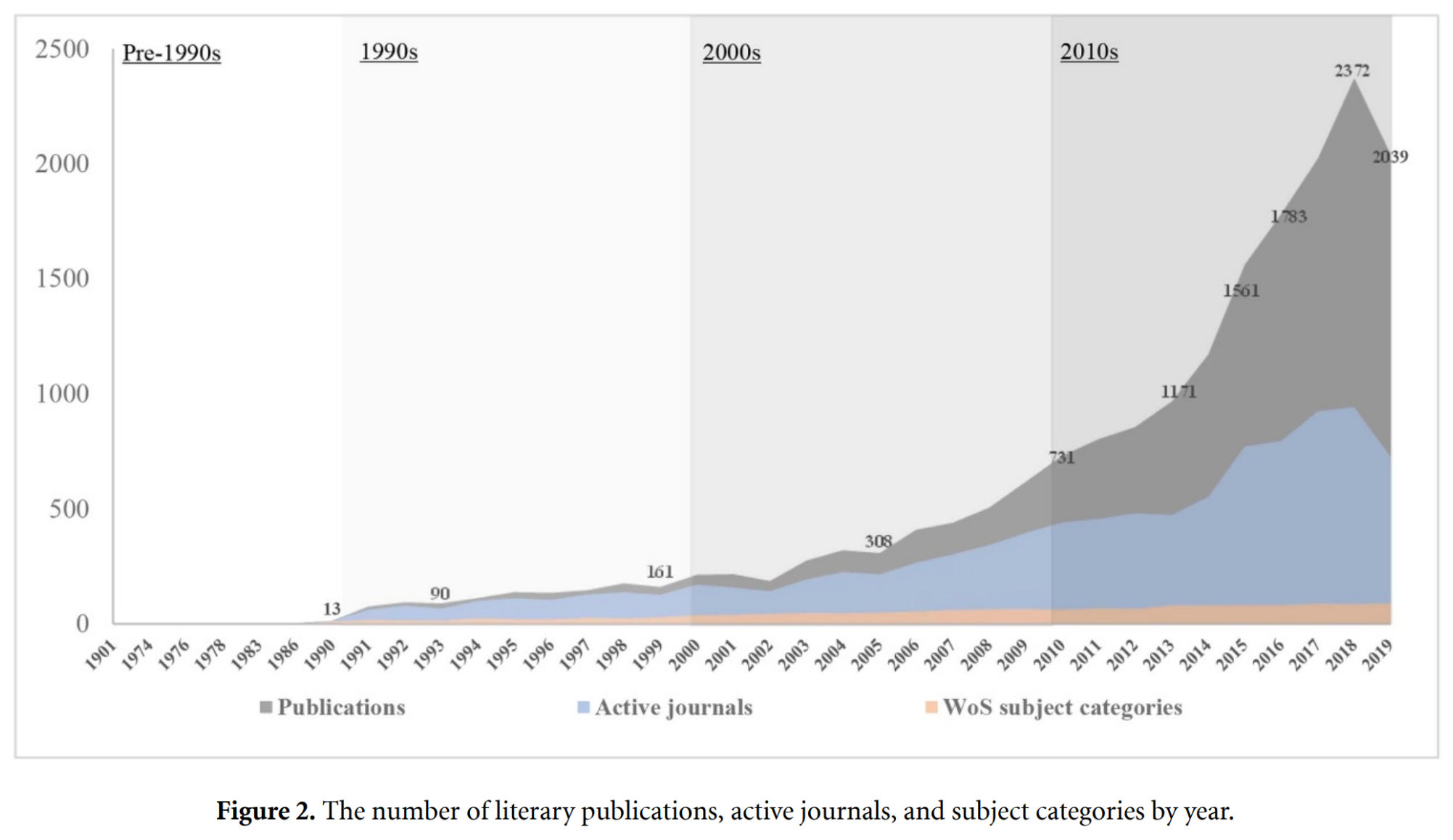
1990s →
rapid growth of the field
Publications, participating journals, countries and institutions increased steadily from the 1990s onward.
3
major knowledge domains
Keyword clustering identified three broad domains: green space and physical health, mental health, and ecosystem health.
↑
increasing interdisciplinarity
The field increasingly crossed disciplinary boundaries, with environment-related disciplines becoming especially prominent.
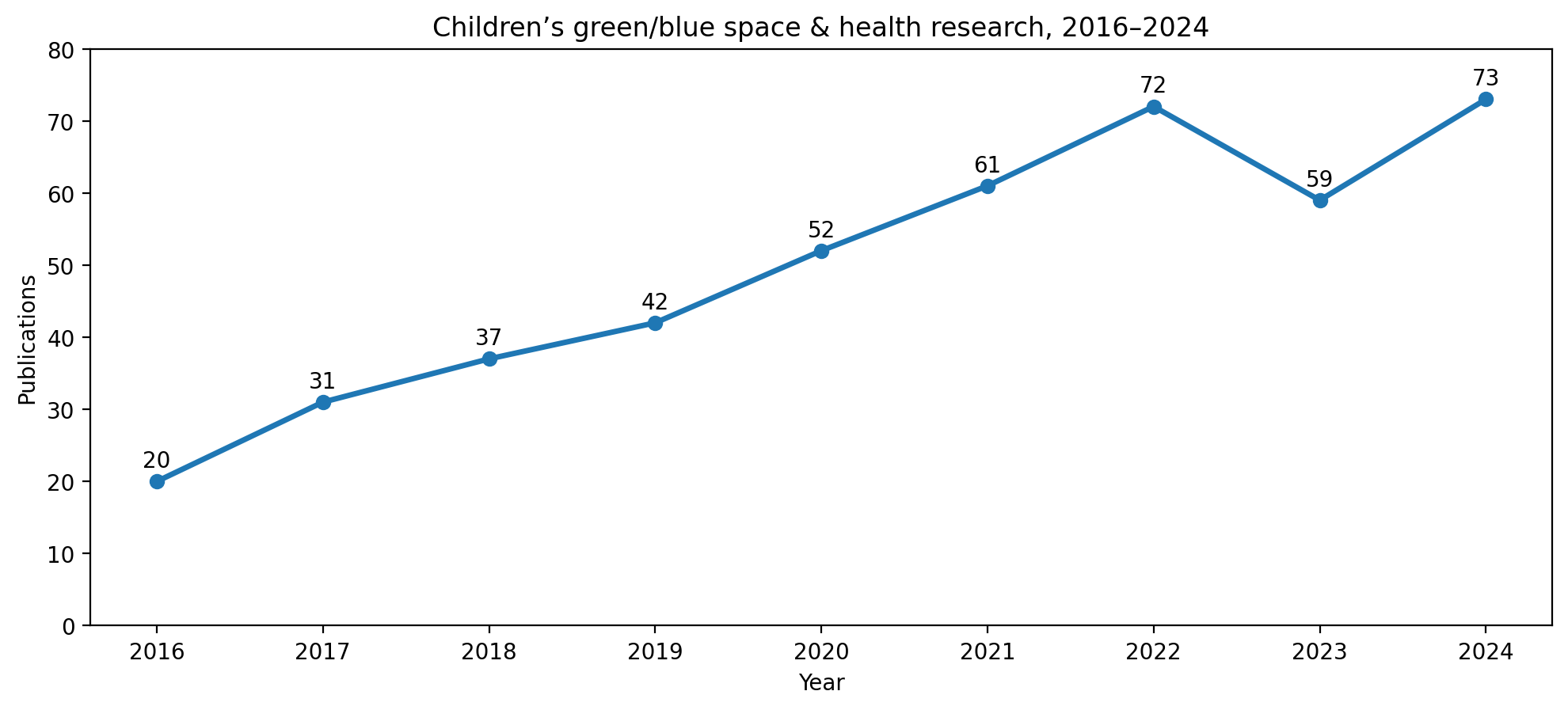
Pediatric bibliometric analysis · Frontiers in Psychology · 2025
Research examining urban green and blue spaces and children's health entered a period of rapid expansion beginning around 2016.
575 publications spanning 1981–2024.
575
publications analyzed
73
publications in 2024
Important context
This is a bibliometric study: publication growth demonstrates increasing scientific attention, not that every publication found a health benefit or that causality has been established.
Pediatric systematic review · Pediatrics · 2021
The 296 included studies did not test one single intervention. They examined many forms of children's contact with nature—from residential greenness and parks to outdoor activity and nature-based experiences—and measured a wide range of health outcomes.
10,940
records screened
296
studies included
147
studies examined residential green space
About half of the included studies focused on the amount of green space around children's homes or neighborhoods.
108
studies examined physical activity
Physical activity was the most frequently studied health outcome, with the review finding the strongest overall evidence in this domain.
85
studies examined cognitive, behavioral or mental health
A substantial portion of the literature examined attention, cognition, behavior, emotional health and related outcomes.
What this review adds
Across a large and heterogeneous literature, the authors concluded that the strongest evidence supported beneficial relationships between nature contact and children's physical activity and cognitive, behavioral and mental health.
Important context
The review also makes clear that this is not equivalent to 296 randomized trials. Most included studies were observational: 204 of 296 (69%) were cross-sectional, and the authors identified moderate-to-high risk of selection bias across the evidence base. The findings support an association and a promising field of study, while stronger longitudinal and experimental research remains important.
Overview of meta-analyses · eBioMedicine · 2024
A 2024 overview went beyond counting studies and graded the credibility of existing meta-analytic evidence on green space and human health. It evaluated 154 unique meta-analyzed associations drawn from 34 systematic reviews.
154
associations graded
34
systematic reviews
4
moderate intervention associations
1
convincing observational association
What looks strongest
Why this matters
Most findings point toward benefit.
But confidence in many effects is limited by
More studies ≠ more certainty.
Two complementary research collections help show both the breadth of children's relationships with nature and the more focused literature on gardening, horticulture and therapeutic horticulture.
Children & Nature Network
1,529
youth research records
The Children & Nature Network Research Library youth search spans research from early childhood through adolescence and examines nature across homes, schools, neighborhoods, parks, forests, gardens, blue spaces and therapeutic settings.
Explore Children & Nature Network Research Library ↗The literature increasingly treats nature not as a single intervention, but as part of the environments in which children move, learn, play, relate and develop.
Important context: This is a research-library search result—not 1,529 clinical trials. The collection includes observational studies, interventions, qualitative and longitudinal research, reviews, meta-analyses and other scholarship.
GrowTH
153
Children & Youth records
The GrowTH Horticultural Therapy / Therapeutic Horticulture Research & Readings Database brings together a focused body of literature involving children and youth. Across the collection, gardening and horticulture are examined in schools, hospitals, therapeutic programs and community settings.
Explore GrowTH Research & Readings Database ↗Plants are not simply scenery in this literature. They become something children can touch, grow, care for, learn from and master.
Important context: This is a curated research and readings collection—not 153 clinical trials. The database includes intervention and observational research alongside reviews, meta-analyses, scoping reviews, theses, practice literature and other readings.
A continuum of nature engagement
Nature exposure
Active nature engagement
Guided nature activity as health intervention
Placement is conceptual rather than a strict boundary: both collections include research that can extend across more than one part of the continuum.
Database counts are presented separately because the collections overlap and use different inclusion and indexing methods. They should not be added together or interpreted as a count of independent clinical studies.
From evidence to practice
Heimlich-McQuarters and colleagues examined how nature-based prescriptions can move from recommendation to practice, emphasizing patient access, adherence, health disparities and the practical barriers that can limit integration into clinical care.
Clinical implementation & access · Nature prescriptions
Frontiers in Public Health ↗Fit Together extended pediatric obesity treatment into community recreation settings. The randomized trial improved BMI relative to the 95th percentile, although cardiorespiratory fitness did not significantly differ.
Randomized controlled trial · Pediatrics
Pediatrics ↗A scoping review of 10 studies examined barriers and facilitators to implementing nature prescriptions for children and youth. Major themes included safety considerations, materials and resources, provider and caregiver support, program design, access and the need to tailor prescriptions to families' circumstances.
Scoping review · Pediatric nature-prescription implementation
Health Promotion International ↗Hunt and colleagues drew lessons from nature-based work across three UK healthcare systems, including Alder Hey Children's NHS Foundation Trust. Their reflections focused on the relational, procedural and environmental factors needed to integrate nature-based approaches into care for children and young people.
Clinical implementation · Child & adolescent healthcare
Child and Adolescent Mental Health ↗Across 92 controlled studies, nature prescriptions were associated with improvements in blood pressure, depression, anxiety and daily steps. Most studies still had moderate-to-high risk of bias.
Systematic review & meta-analysis
The Lancet Planetary Health ↗A review of 31 randomized trials found positive results across psychological well-being, cardiometabolic health, physical activity and inflammation. Twenty-eight of the 31 trials nevertheless had at least some risk-of-bias concerns.
Systematic review of randomized controlled trials
Nature prescription systematic review ↗The Park Rx trial described a five-year randomized study designed to enroll 500 children ages 6–16 receiving care at a federally qualified health center in Washington, DC. Park prescriptions specified a place, activity, frequency and duration, with outcomes including physical activity, park use, cardiometabolic measures and mental health.
Randomized controlled trial design · Pediatric Park Rx
Contemporary Clinical Trials ↗A randomized trial found that park prescriptions increased park use and recreational activity. They did not significantly improve the study’s primary measure of total moderate-to-vigorous physical activity.
Randomized trial · Adults
International Journal of Behavioral Nutrition and Physical Activity ↗In a pediatric park-prescription trial, parental stress decreased and more park visits were associated with greater stress reduction. Facilitated group outings did not clearly outperform the simpler prescription.
Randomized trial · Pediatric safety-net clinic
PLOS ONE ↗The SHINE trial recruited caregiver-child pairs from an urban safety-net clinic and compared a basic pediatric park prescription with added organized park support. It helped move park prescriptions from an appealing idea toward a testable clinical intervention.
Pediatric park-prescription trial design
Contemporary Clinical Trials ↗Coffey and Gauderer studied a Park Rx program in which clinicians wrote 1,935 nature prescriptions for children ages 6–10. The prescriptions encouraged free, unstructured play in nature and could be redeemed for a state-park day pass; 13% were redeemed, highlighting both the feasibility of prescribing nature and the challenge of translating a prescription into participation.
Pediatric primary care · Park Rx implementation
Ecopsychology ↗Outdoors Rx linked pediatric physical-activity counseling with community outdoor programs. The model was feasible and well received by participating clinicians and families.
Pediatric clinical program · Outdoors Rx
Clinical Pediatrics ↗A major review of evidence-based health-care design concluded that the physical environment can affect health and safety outcomes. Views of nature and other positive distractions became part of a broader effort to design hospitals around evidence rather than aesthetics alone.
Evidence-based health-care design review
HERD ↗Fried and Wichrowski described a horticultural therapy program at NYU's Stephen D. Hassenfeld Children's Center for Cancer and Blood Disorders. The program used plants and gardening activities to support sensory, cognitive and communication skills while providing a stress-reducing activity during treatment.
Pediatric hematology/oncology · Horticultural therapy program
Fried & Wichrowski · Primary Psychiatry ↗Evaluation of pediatric cancer-center gardens showed that patients and families used gardens differently depending on access and design. The study underscored that simply having green space is not enough.
Pediatric cancer center · Healing-garden evaluation
Landscape and Urban Planning ↗Families and staff described a children’s hospital healing garden as restorative, but it was used less than intended. Children and families wanted more greenery and more opportunities for interaction.
Pediatric healing garden · Post-occupancy evaluation
Journal of Environmental Psychology ↗After a stressful film, participants viewing natural environments showed faster and more complete physiological and emotional recovery than those viewing urban settings. The experiment helped establish stress reduction as a plausible pathway linking nature and health.
Experimental stress-recovery study · Adults
Journal of Environmental Psychology ↗Postoperative patients with views of trees had shorter hospital stays, fewer negative nursing notes and used fewer potent analgesics than matched patients facing a brick wall. The landmark study involved adults, not children.
Foundational hospital-environment study · Adults
Science ↗The evidence base is growing, but many of the questions most relevant to children remain unanswered. The five clinical stories on this page suggest five pediatric research programs for horticultural therapy and related nature-based interventions.
Explore question ↓
Research question
Can horticultural programs support caregiver wellbeing and the caregiver-child relationship?
Outcomes to study
Postpartum mood, stress physiology, parent-child interaction, social connection and family food security.
Explore question ↓
Research question
How can horticultural therapy be adapted for children with different sensory, developmental and communication needs?
Outcomes to study
Regulation, participation, motor activity, attention, adaptive skills, agency and quality of life.
Explore question ↓
Research question
Can gardening make movement, food learning and healthy behavior more engaging and sustainable?
Outcomes to study
Physical activity, diet quality, fruit and vegetable exposure, blood pressure, metabolic outcomes and adherence.
Explore question ↓
Research question
Can horticultural therapy support children whose daily lives are shaped by illness, treatment or hospitalization?
Outcomes to study
Stress, symptom burden, coping, mastery, treatment fatigue, physical activity, quality of life and hospital experience.
Explore question ↓
Research question
Can caring for living things support adolescents as they develop identity, competence, belonging and purpose?
Outcomes to study
Anxiety, depression, loneliness, resilience, self-efficacy, social connection, meaning and transition to adulthood.
For the infant and caregiver, the child with autism, the child with cardiometabolic risk, the child managing chronic disease and the adolescent facing mental-health challenges, we need rigorous pediatric studies that test whether these interventions improve outcomes that matter to them.
A garden is not a single intervention. Was the child planting, harvesting, moving, growing food, exploring sensory materials or participating in horticultural therapy? Studies should describe the activity, setting, facilitator, frequency, duration and intensity.
The outcomes should match the child: caregiver wellbeing and connection in infancy; regulation and participation in autism; movement and cardiometabolic health; coping and quality of life in chronic disease; and belonging, mental health and purpose in adolescence.
A single garden visit and a year-long horticultural program are not equivalent. We need to know how often children need these experiences, how long they should last, whether benefits accumulate and whether changes persist after participation ends.
The five children may benefit through different pathways. Movement, stress regulation, sensory experience, attention, social connection, agency, food exposure and time outdoors should be measured so we can understand not only whether an intervention works, but how.
The question is not simply whether nature helps children. It is which experiences may help which children, at which developmental stages, and in which settings—from hospitals and schools to homes, community gardens and therapeutic programs.
These priorities reflect recurring gaps across the literature: inconsistent interventions and outcomes, limited causal evidence, unanswered questions about mechanisms and dose, and the need for longer follow-up and more diverse populations and settings.
These are proposed research directions—not claims that horticultural therapy has already been proven effective for each population. The opportunity is to test those questions systematically.
The moment is here
But evidence is only useful if there are places to put it into practice.Fortunately, the infrastructure is growing too.
The infrastructure exists
These communities have the most mapped horticultural therapy professionals within 100 miles of the city center.
Counts are based on 219 validated, mapped professionals in the current AHTA directory dataset. These counts compare the 25 cities previously identified as high-availability cities in the broader directory analysis.
Where the field has room to grow
These 25 large U.S. cities have the lowest measured availability of mapped horticultural therapy professionals within 100 miles of each city center. They point toward opportunities for training, workforce development, partnerships and expanded access.
The infrastructure for growth may already be nearby
Nature sites within 100 miles of these 25 low-availability cities. These may represent existing infrastructure around which horticultural therapy could grow.
Loading children's hospital maps…
The opportunity is already around us
177,000+
publicly accessible nature sites
Parks, gardens, trails, natural areas, arboreta, wildlife sites and therapeutic landscapes identified through the Kids Need Nature database.
Source: Kids Need Nature — Nature Finder ↗Nature Finder
Search Nature Finder
Nature Report
Search a location above to create a Nature Location Report.
Browse by Nature Type
Browse by Data Source
Filter by the organization or dataset that supplied each location.
Search Results
Recently Added
Popular Places
Random
Full Nature Finder Database
Search all 0 published nature sites by name, city, state, ZIP code, feature type, or data source.
Browse Without Searching
Not sure where to start? Browse newly added places, popular nature sites, or let Nature Finder surprise you.
A growing, interactive resource
The map brings together nature locations from organizations across the country—and communities can help make it better. If a park, garden, trail or other nature space is missing, it can be submitted for review and inclusion.
Know a place that belongs on the map?
Help Nature Finder become more complete.
Submit a Nature Location →Where the Nature Finder data comes from
Parks, Public Lands & Wildlife
4 sources
Protected Areas Database of the United States
ParkServe® — Trust for Public Land
National Park Service — Public Points of Interest
Association of Zoos and Aquariums
Gardens & Horticulture
4 sources
American Horticultural Society Garden Network
American Community Gardening Association
Botanic Gardens Conservation International — GardenSearch
American Public Gardens Association — Garden Finder
Children, Schools & Outdoor Learning
3 sources
School Garden Support Organization Network — National School Garden Map
Green Schoolyards America — Outdoor Learning Map
KidsGardening Grantees
Health & Therapeutic Nature
4 sources
Walk with a Doc
Therapeutic Landscapes Network
Florida Horticulture for Health Network
American Horticultural Therapy Association
User Submitted
1 source
Community-submitted nature locations
We have growing evidence for nature and health. We have professionals working to put that knowledge into practice. And we have a vast network of parks, gardens, trails, schoolyards, therapeutic landscapes and other nature spaces embedded in communities across the country.
The opportunity is to connect them.
Why not now?
This could not be a better time.
The nature is there.
The professionals are there.
The science is increasingly there.
Think back to the five children at five different moments in childhood.
4 months
A new baby at the beginning of life, with psychosocial challenges in their parent.
3 years
Development through movement, play and exploration.
7 years
Navigating food, physical activity and weight-related health.
9 years
Living with chronic disease while developing independence and confidence.
17 years
Mental health and the transition toward adulthood.
The opportunity
Let's give them the best childhood possible.
Children need medicine.
Children need families.
Children need communities.
Children need opportunities.
And children need nature.